




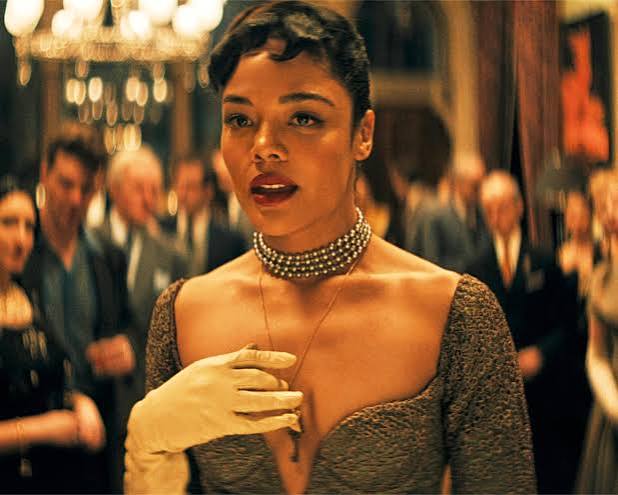
A new report by GLAAD documents a third consecutive year of declining LGBTQ+ representation in cinema, with zero trans characters appearing in major film releases.
The presence of LGBTQ+ characters in film productions continues to decline, according to GLAAD’s latest annual report. As The Guardian notes, representation of the community has been steadily decreasing in recent years, with the sharpest drop recorded among LGBTQ+ characters who also belong to racial or ethnic minority groups. At the same time, for the first time in years, none of the major films examined featured a single transgender character.
«Studios that want to remain relevant and attract younger audiences cannot afford to ignore nearly one-quarter of their most engaged moviegoers."
GLAAD analyzed 225 films released throughout 2025 by the largest film distribution companies. Of these, only 46 included at least one LGBTQ+ character, representing just 20.4% of the total. This figure is significantly lower than the 28.5% recorded in the 2023 report and marks the third consecutive year of declining representation.
GLAAD President and CEO Sarah Kate Ellis warned that the film industry risks alienating younger generations of audiences if it fails to invest in stories that also reflect the LGBTQ+ community.
«If studios do not prioritize films featuring LGBTQ+ characters, an entire generation will look elsewhere for content that includes and represents them," she said.
Mid-Budget Films Stood Out
Despite the overall decline, the report highlights several mid-budget productions as positive examples. Among them are Downton Abbey: The Grand Finale, After the Hunt, and I Know What You Did Last Summer, all of which feature LGBTQ+ characters.
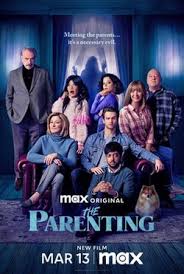
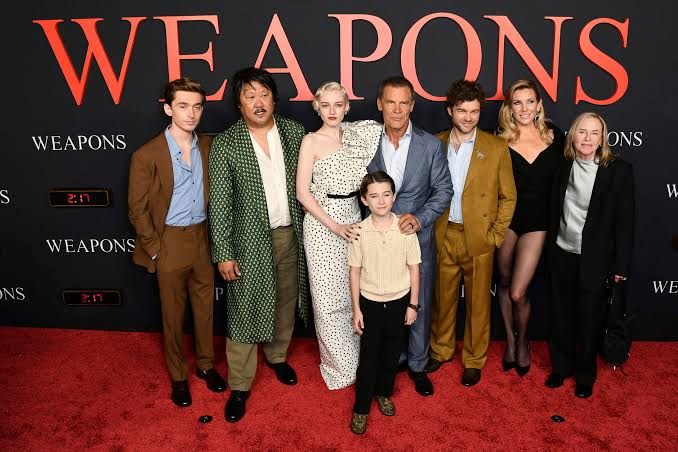
Horror films also delivered encouraging results. The Parenting, Companion, and Weapons not only included queer characters but also achieved significant commercial success, earning more than twice their production budgets at the box office.
Although most LGBTQ+ characters continue to appear in supporting roles, GLAAD singled out Hedda, directed by Nia DaCosta, Blue Moon, starring Ethan Hawke, and Sorry, Baby, by Eva Victor, for placing queer characters at the center of their stories. These films also received particularly positive critical reviews.
«When LGBTQ+ stories take center stage, audiences respond, and these films succeed," the report states.
No Trans Representation in Major Films
GLAAD expressed its greatest concern over the complete disappearance of transgender characters from the films examined. According to the study, not a single transgender character appeared in more than 200 productions.
The organization described this development as particularly troubling, noting that it comes at a time when transgender people are facing political attacks, misinformation, restrictive legislation, and increasing violence.
The research covered the ten largest film distribution companies, including Sony Pictures Entertainment, The Walt Disney Company, Netflix, and A24. However, GLAAD emphasized that several smaller distributors have continued to invest in stories that provide meaningful LGBTQ+ representation.
Notable examples include Mubi with The History of Sound and Mother Father Sister Brother; Bleecker Street with The Wedding Banquet; Magnolia Pictures with Plainclothes; and Blue Harbor Entertainment with A Nice Indian Boy.
GLAAD’s Director of Entertainment Research and Analysis, Megan Townsend, argued that the underrepresentation of LGBTQ+ characters is not only an issue of equality but also a business decision with significant consequences.
As she pointed out, Generation Z currently represents the largest segment of moviegoers in North America. According to Gallup, 23% of Americans under the age of 30 identify as members of the LGBTQ+ community.
«Studios that want to remain relevant and attract younger audiences cannot afford to ignore nearly one-quarter of their most active moviegoers," she concluded.