


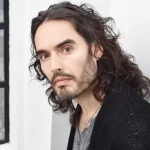

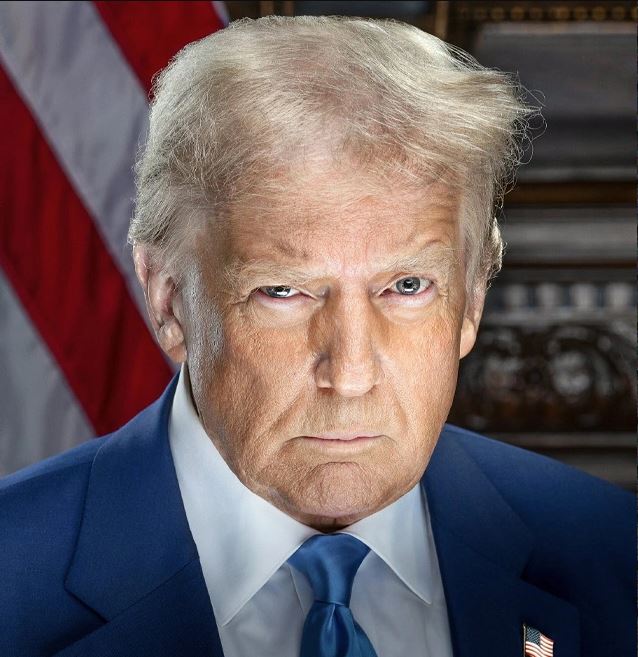
The death of Victor Willis, the last surviving original member of the Village People to remain active on stage, has reignited one of the most controversial cultural debates surrounding the legendary disco group: its relationship with Donald Trump and the ongoing attempt to redefine its history.
Trump paid tribute to Willis in a lengthy post on Truth Social, describing him as a «great and joyful man" and thanking him for allowing the use of Y.M.C.A. at his political rallies. He also claimed that the song’s constant presence at his campaign events helped propel it back to the top of the charts decades after its original release.
According to several international media reports, the renewed popularity of Y.M.C.A. generated millions of dollars in royalties for Willis. That financial success coincided with a dramatic shift in his public position. While the Village People had asked Trump to stop using their music during the 2020 election campaign and later expressed support for Kamala Harris, Willis eventually embraced the association and publicly defended Trump’s continued use of the song.
From that point onwards, critics argue that an effort began to reshape the public image of the Village People. After securing legal control of the band’s name, Willis repeatedly insisted that Y.M.C.A. was «not a gay anthem", even threatening legal action against media organisations that continued to describe it as such. References to the group’s queer origins were also removed from its official website.
These actions sparked widespread criticism from LGBTQ+ organisations, music historians and former members of the group, many of whom accused Willis of attempting to erase the band’s LGBTQ+ identity. To many observers, this amounted to historical revisionism designed to distance the Village People from the very community that had made them cultural icons.
The historical record, however, tells a different story.
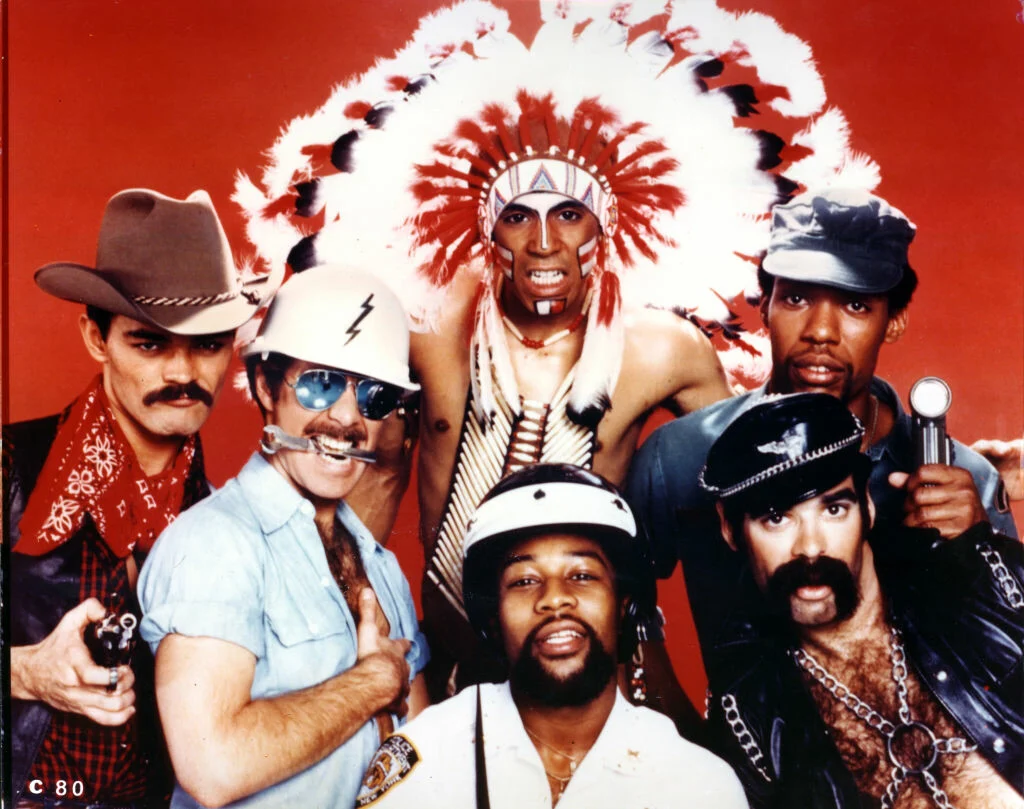
The Village People were created in 1977 by gay French producers Jacques Morali and Henri Belolo, inspired by the vibrant gay culture of New York City’s Greenwich Village. The band’s instantly recognisable characters—the police officer, cowboy, construction worker, sailor and soldier—were never random costumes. They reflected the queer aesthetics of the era, playfully exaggerating symbols of traditional American masculinity while celebrating gay identity.
Y.M.C.A. was written at a time when LGBTQ+ people had little freedom to express themselves openly. Its lyrics operated on two levels. Mainstream audiences heard an upbeat disco anthem about friendship and community, while gay listeners recognised references to spaces that offered safety, connection and, for many, sexual liberation.
For this reason, the Village People’s appearance during events surrounding Donald Trump’s inauguration triggered a strong backlash. A president whose administration has been widely criticised for policies affecting LGBTQ+ rights and diversity initiatives was now embracing one of the most recognisable songs in queer history.
Former members publicly distanced themselves from the performance. Jim Newman, who toured with the Village People during the 2010s, stated that the group he belonged to would never have performed at a Trump event or authorised the use of its music to promote the MAGA movement.
The irony reached its peak during the inaugural celebrations. As Y.M.C.A. played, Trump and his supporters filled the stage, almost completely obscuring the band from television cameras. For many commentators, the image became symbolic: a song born from LGBTQ+ culture was being repurposed to support a political movement whose values many believe stand in direct opposition to those of the community that created it.
Willis’ subsequent attempts to deny the song’s queer significance have only intensified the controversy. Historians, LGBTQ+ advocates and cultural commentators continue to reject the claim that Y.M.C.A. was never intended as a gay anthem, arguing that its cultural significance extends far beyond the author’s later interpretations.
More broadly, critics argue that the commercial success generated by Trump’s repeated use of the song encouraged efforts to recast the Village People’s history in a way that appealed to a new conservative audience. While there is no evidence that Trump himself orchestrated this reinterpretation, many observers believe his political movement benefited from presenting Y.M.C.A. as a celebration of traditional American masculinity rather than acknowledging its roots in LGBTQ+ culture.
The story of the Village People is ultimately about more than a disco hit. It raises fundamental questions about who gets to tell the history of marginalised communities and whether commercial success can be used to overshadow the origins of one of the most influential symbols of queer culture.
No matter how many attempts are made to reframe Y.M.C.A. as nothing more than a feel-good party anthem, its place in LGBTQ+ history remains firmly established by historians, cultural scholars and generations of queer people who embraced it as a symbol of visibility, resilience and liberation.