




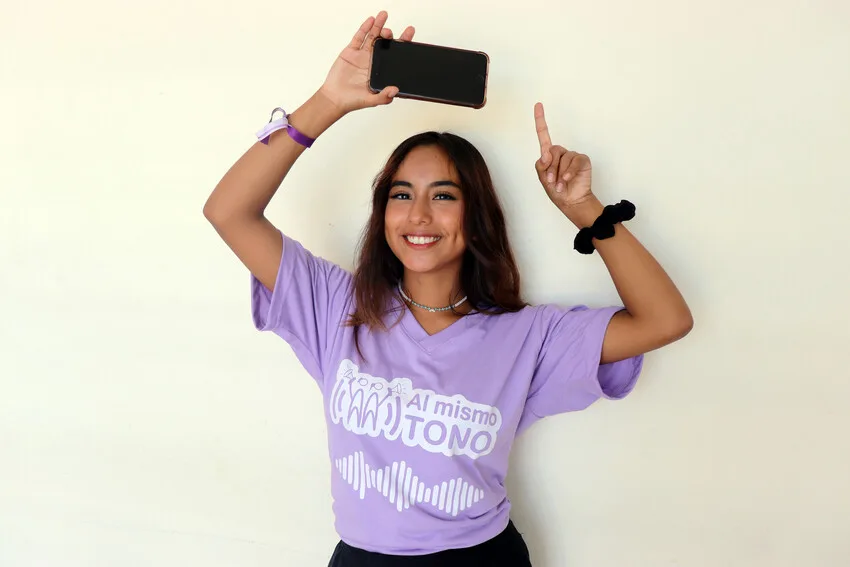
GSMA’s Mobile Gender Gap Report 2026 highlights gradual progress, while revealing that millions of women remain excluded from the digital world.
The digital gender gap is narrowing at a slow but steady pace, according to the GSMA Mobile Gender Gap Report 2026. The report examines access to and use of mobile phones, smartphones, and mobile internet across low- and middle-income countries (LMICs), highlighting both the barriers women continue to face and the significant social and economic benefits of achieving digital inclusion.
The findings are based on more than 16,000 face-to-face interviews conducted across 14 countries, supported by statistical modelling and data analysis.
Mobile internet use is improving, but inequalities persist
The report shows that the mobile internet gender gap narrowed slightly in 2025, continuing the gradual progress observed since 2022. Today, more than 1.5 billion women in LMICs use mobile internet. However, women are still 12% less likelythan men to use mobile internet, leaving approximately 200 million fewer women connected.
Overall, 65% of women use mobile internet, compared with 74% of men. Despite this progress, around 810 million women still do not use mobile internet. More than two-thirds of them live in South Asia and Sub-Saharan Africa, the regions with the widest digital inequalities, where the mobile internet gender gap stands at 25% and 26%, respectively. The report also notes that the digital gender gap in rural areas is two to three times larger than in urban centres. The greatest disparities are found in the world’s least developed countries, followed by developing landlocked nations.
Smartphone ownership remains unequal
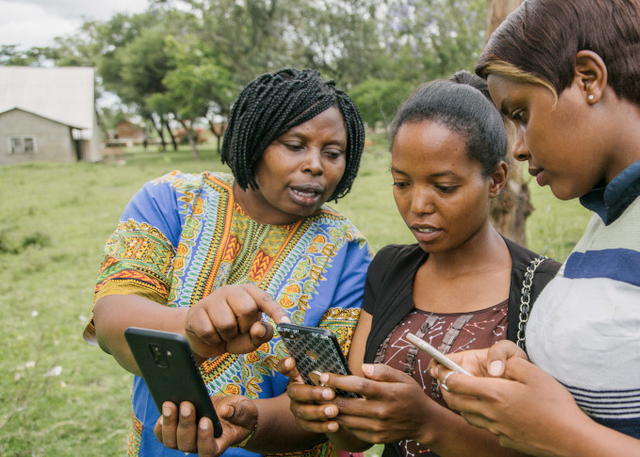
Little progress has been made in closing the smartphone ownership gap. Women are still 13% less likely than men to own a smartphone, representing approximately 210 million fewer women with access to one. Currently, 64% of women own a smartphone, compared with 73% of men. The disparity is even more pronounced in regions where mobile internet inequalities are already significant, including Sub-Saharan Africa, South Asia and rural communities.
Millions of women still lack a mobile phone
The overall gender gap in mobile phone ownership has remained largely unchanged at 7% over the past nine years. As a result, an estimated 385 million women still do not own a mobile phone. According to GSMA, awareness of mobile internet is now high and nearly equal among women and men across most of the countries surveyed. However, awareness alone does not necessarily translate into adoption, particularly for women.
Among women who are aware of mobile internet but do not use it, the main barriers continue to be the cost of purchasing a device, limited digital skills and low levels of digital literacy. The report highlights that women are disproportionately affected by these challenges due to structural inequalities, including lower levels of education, lower incomes and restrictive social norms.
Safety, affordability and connectivity remain key challenges
For both women and men who already use mobile internet, the biggest obstacles to making greater use of digital services include concerns about online safety and security, the cost of data and devices, and the quality of network connectivity. These challenges tend to vary more by local conditions than by gender.
The report also finds that the vast majority of users access mobile internet through their own devices. However, in countries such as Pakistan, India and Ethiopia, significantly more women than men continue to rely on someone else’s device to go online. Most users access mobile internet daily, primarily for communication and entertainment. However, women continue to use mobile internet for a narrower range of activities than men, reflecting persistent inequalities in digital participation.
Closing the gap benefits everyone
GSMA concludes that most mobile internet users believe that digital connectivity has either improved their income and quality of life or, at the very least, has not had a negative impact. The report estimates that fully closing the mobile internet gender gap between 2023 and 2030 could add approximately US$1.3 trillion to global GDP. Beyond its economic impact, achieving equal digital access would support greater social inclusion, expand opportunities for women and strengthen sustainable development worldwide.
Closing the digital gender gap is therefore not only a matter of technology, but also one of equality, inclusion and shared prosperity.