


By Kyriaki Papagiatzoglou
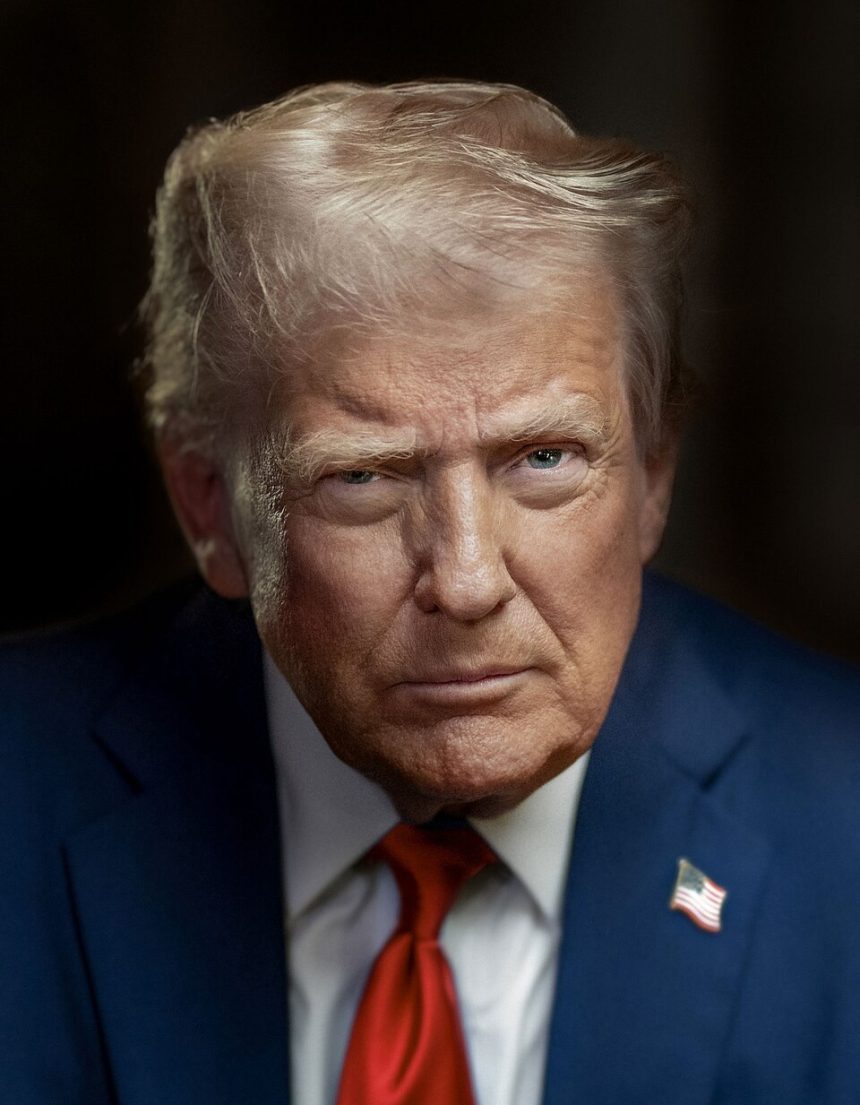
Recent actions by the administration of Donald Trump bring back into focus a critical question: to what extent can the state intervene in education and individual rights without undermining them?
The decision to launch investigations into 36 school districts in Illinois, focusing on the teaching of topics related to sexual orientation and gender identity, is not merely an administrative process. Rather, it is part of a broader political strategy that seeks to redefine the boundaries of civil rights within the school environment.
The Department of Justice cites issues related to parental notification and the ability of parents to opt their children out of specific lessons. However, the absence of concrete incidents justifying these investigations raises reasonable doubts about the true motivations behind these actions. When investigations begin without a clear basis, there is a risk that they function more as tools of political pressure than as instruments of justice.
Particularly concerning is the intention to examine transgender students’ access to school facilities and athletic activities in accordance with their gender identity. This issue is not merely administrative; it concerns fundamental human rights such as dignity, equality, and non-discrimination. Challenging these rights within the school setting can create an environment of exclusion and insecurity for vulnerable groups of students.
Critics of these policies point out that such actions may transform inclusion from an educational value into a legal risk. Schools and educators may feel pressured to scale back practices that support LGBTQ+ students, not because they are harmful, but because they fear potential penalties or the loss of funding.
The issue is not limited to these investigations alone. It is also connected to the broader rhetoric that has developed around issues of gender and identity. Statements and public remarks that target transgender individuals — even in settings such as school events or interactions with children — reinforce a climate of polarization and stigmatization. When such messages come from the highest levels of political leadership, their impact is amplified.
In a democratic society, human rights should not be subject to political negotiation.
Education must function as a space of safety, knowledge, and acceptance — not as a battleground for ideological conflicts that call into question the very existence and dignity of certain students.
The direction of these policies raises serious questions about the future of equality and inclusion. And as long as these questions remain unanswered, concern will only continue to grow.