



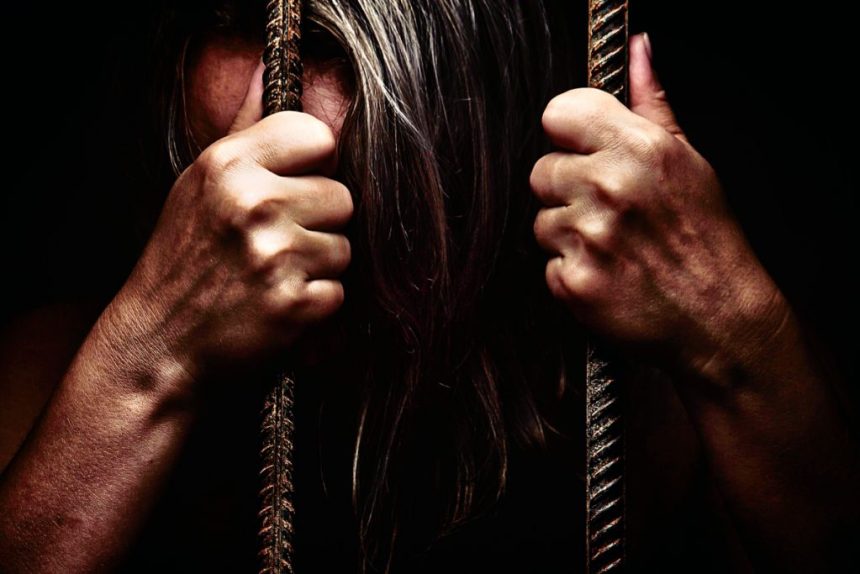
The new agreement adopted by the UN marks a significant development in the global dialogue on diversity and inclusion, as it explicitly recognizes, for the first time, the situation of women in prison.
At a time when the number of women in prison worldwide is rising at an alarming rate, this decision represents a significant step toward raising the profile of a group that for years has been sidelined in discussions about rights and equality.
Why is this development important?
The new agreement places women in detention within the broader context of justice for women and girls. It recognizes that the experience of incarceration is not gender-neutral, but is directly linked to factors such as:
- social and economic inequalities
- gender-based violence
- discriminatory laws and practices
Including these factors paves the way for more equitable policies and interventions that take into account the actual living conditions of women.
An “invisible” reality that becomes visible
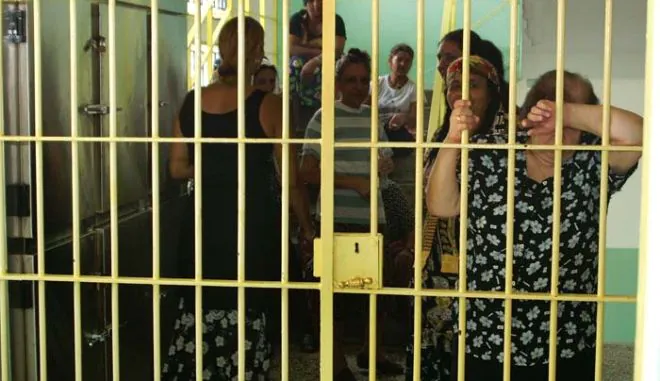
Today, hundreds of thousands of women and girls are in detention worldwide, and the increase in the female prison population in recent years has been disproportionately higher than that of men.
At the same time, thousands of children are growing up in correctional facilities alongside their mothers—a reality that is rarely discussed in public discourse.
Recognizing these conditions at the international level is a crucial step toward developing policies grounded in empathy, human rights, and inclusion.
From Awareness to Action
Activists and human rights organizations emphasize that visibility is only the beginning. The next step is meaningful change.
This means:
- a review of laws that disproportionately send women to prison
- improving access to justice
- developing alternatives to incarceration
- community-based support for women
Inclusion means leaving no one behind
Including women in prison in the global agenda for gender equality serves as a reminder of something fundamental: inclusion is not complete when it overlooks the most vulnerable groups.
For a society to be truly just, it must recognize and support everyone—even those living in the most hidden and difficult circumstances.
This new agreement represents a significant step in that direction. The challenge now is to translate it into tangible change in the lives of those who need it most.