


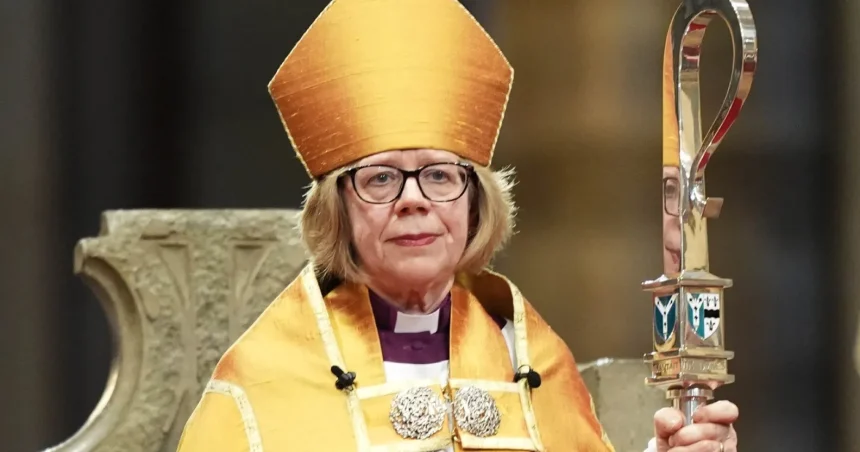
Sarah Malali was consecrated as the 106th Archbishop of Canterbury, making history as the first woman to assume this role in the Church of England and the worldwide Anglican Communion.
During her homily on Wednesday, March 25, she spoke candidly about “the pain people have experienced because of actions, omissions, and failures within our own Christian communities.” At the same time, she promised a Church open to all—“for the entire nation and for the whole world”—that will collaborate with people of every faith or even without faith, with the goal of creating meaningful change through service.
Although she did not explicitly mention LGBTQ+ people in her speech, her work to date points clearly toward greater acceptance and inclusion.
Leadership that paves the way
Her appointment sparked backlash among conservative circles within the Anglican Communion, particularly in churches in Africa and Asia. However, for many members of the LGBTQ+ community, this development represents an important and hopeful step forward.
Malali, a former head nurse in the NHS, succeeds Justin Welby, who resigned following the publication of a report on cases of abuse within the Church of England.
Her stance on LGBTQ+ rights
As Bishop of London, Malali played an active role in the “Living in Love and Faith” process and supported the introduction of the “Prayers of Love and Faith”—prayers that allow for the blessing of same-sex relationships.
Although these blessings do not constitute an official marriage and do not alter Church doctrine (which continues to define marriage as a union between a man and a woman), they represent a significant step toward recognition and acceptance.
She has publicly acknowledged her past mistakes, stating:
“Our eyes have been opened to the harm we have caused, especially to LGBTQ+ people.”
In 2023, he co-signed a letter of apology on behalf of the bishops, emphasizing that the Church’s stance did not reflect God’s universal love for all people.
Challenges and Reactions
Despite these positive steps, the new Archbishop is called upon to strike a balance between different—and often conflicting—voices within the Anglican Communion, which has approximately 85 million members in more than 160 countries.
Already, her election has sparked backlash from leaders of conservative churches, who have expressed their disagreement with both her gender and her stance on LGBTQ+ issues.
A step toward a more inclusive Church
Sarah Malali’s assumption of leadership marks a historic turning point. Despite the challenges, her presence brings to the forefront a more open, honest, and human approach—a Church that acknowledges its mistakes and seeks to embrace all people, without exception.
In the conversation about diversity and inclusion, this moment is not merely symbolic—it is a significant step forward.