

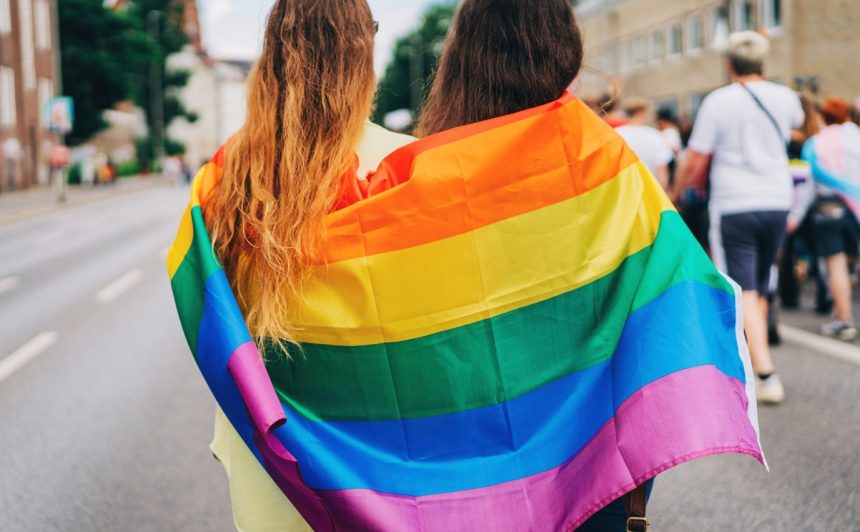
In a decision with strong symbolic significance for diversity and inclusion, the Church in Wales approved a bill making the blessing of same-sex marriages permanent, while retaining the right of individual clergy to choose whether or not to perform the ceremony.
The decision was made on April 16 by the Church’s 143-member governing body, with the proposal securing the required two-thirds majority in each of the three orders: bishops, clergy, and lay members. Specifically, lay members voted 48 in favor and 8 against (with 2 abstentions), clergy voted 32 in favor and 7 against (with 5 abstentions), while the bishops ratified the decision without any objections.
The relevant wording is expected to be incorporated into the Book of Common Prayer, the liturgical book used by the Church of Wales, marking the institutionalization of the practice.
During the discussion, the Bishop of St Asaph, Gregory Cameron, referred to “the harm caused by the rejection of our LGBT brothers and sisters in Christ,” emphasizing the need for the Church to be a source of acceptance rather than pain. Similarly, the Bishop of Llandaff, Mary Stallard, supported the change, describing the personal experience of someone in her circle who endured deep psychological distress due to attitudes toward their sexuality, within a “culture of shame” that made them feel unaccepted.
The Church in Wales first introduced the blessing of same-sex marriages in 2021 as a temporary measure, allowing couples to receive a blessing for their marriage or civil partnership as part of a church ceremony. This trial period was set to conclude by the end of 2026; however, the new decision formalizes the practice following “a period of reflection and consultation” within the Church.
This development also highlights a clear divergence from the Church of England, which has not adopted a similar practice with the same institutional weight. At the same time, there was no shortage of reactions: Deacon Andy Grimwood expressed concern that the decision could lead to division, both within the Church in Wales and in the wider Anglican community.
The Church in Wales is part of the worldwide Anglican Communion and has been independent of the state since 1920. In this context, approaches to the inclusion of LGBTQI+ individuals vary significantly among the individual churches.
This decision is part of a broader discussion on the role of institutions in fostering an environment of acceptance and equality, highlighting the importance of inclusion as a fundamental principle for a more open and just society.