




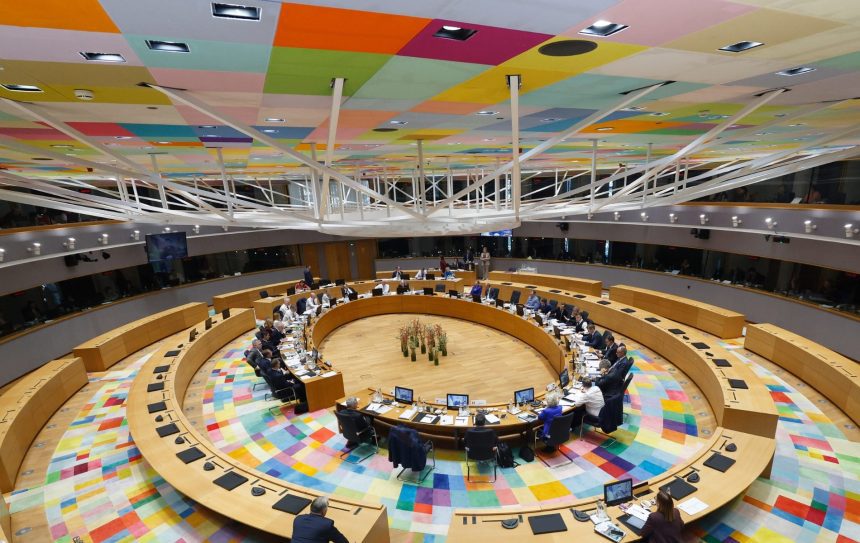
The European Parliament is bringing a critical debate on human rights, consent, and inclusion back to the forefront by promoting a uniform definition of rape at the European Union level based exclusively on consent.
“Only ‘yes’ means ‘yes’”: a step toward a more inclusive Europe
In a world that increasingly recognizes the importance of self-determination and respect for every person’s boundaries, the European Parliament is calling for the establishment of a common legal definition of rape: any sexual act without clear, free, and informed consent should be considered rape.
This approach shifts the burden from the need to prove violence or resistance—which often falls on the victims—to the essence of human choice. Silence, hesitation, or a lack of reaction do not constitute consent. What counts is a clear “yes.”
Why this is about diversity and inclusion
The concept of consent is not merely a legal issue; it is deeply connected to respect for diversity. People of different genders, sexual orientations, cultural backgrounds, or with disabilities experience sexual violence in different ways—and often face greater barriers to recognition and justice.
A single, clear definition:
• reduces gray areas that leave room for misinterpretation
• protects vulnerable groups more effectively
• fosters a culture of respect, equality, and acceptance
The Current Situation in Europe
Despite progress, legislation in EU member states remains inconsistent. In many countries, the definition of rape is still linked to the use of force or threats, which often leads to:
• a high burden of proof for victims
• secondary victimization through legal proceedings
• the exclusion of experiences that do not fit within this narrow framework
In contrast, countries such as Spain have already adopted the explicit consent model, paving the way for a more modern and human-centered approach.
Next Steps
The European Parliament’s initiative sends an important political message, but its implementation depends on the European Commission and the approval of the member states—a process that is expected to be challenging.
Beyond the Law
This discussion is not just about laws. It is about the society we want to build: a society where every person—regardless of identity—has the right to define their own body and its boundaries, without fear, pressure, or questioning.
Because inclusion starts with something fundamental: respect for free and clear choice.
*Source: Euronews