



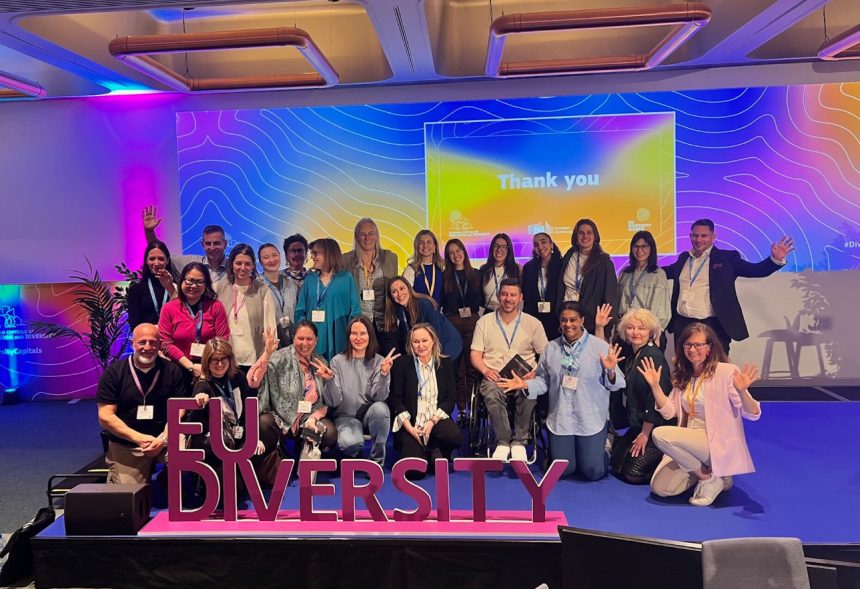
In Brussels, a dynamic and meaningful launch of the EU Diversity Month took place, bringing together stakeholders, organizations, and representatives from across Europe who are actively working to promote diversity, equality, and inclusion.
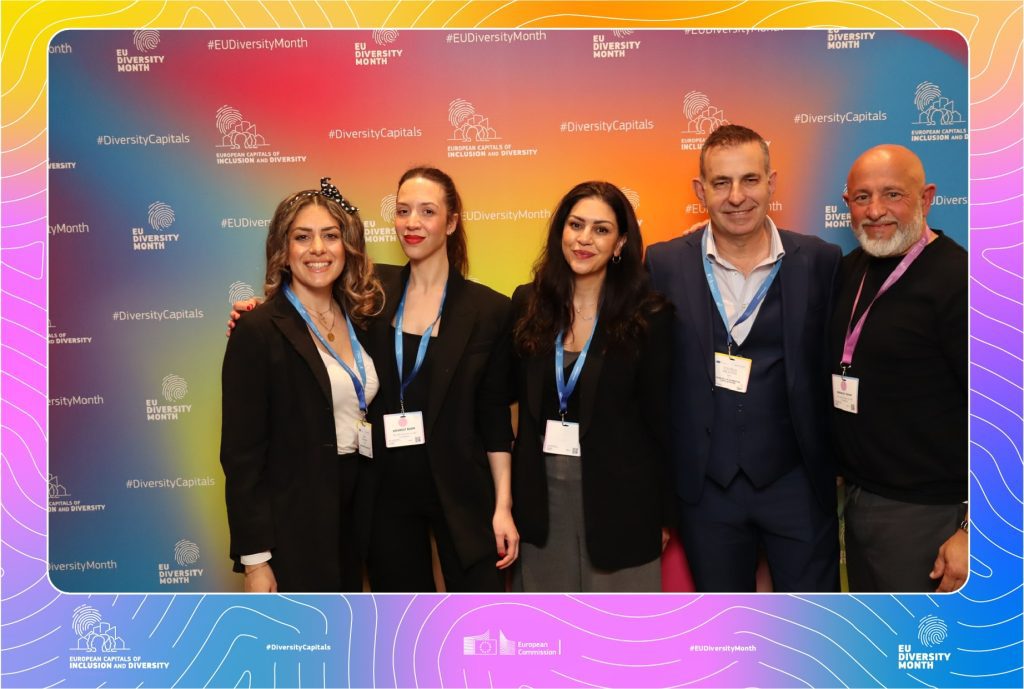
The presence of the Diversity Charter Greece was a source of particular pride, as we actively participated in a cycle of knowledge exchange, best practices, and shared experiences. The opening speech by Ana Gallego from the European Commission set the tone for two days filled with inspiration and meaningful dialogue, highlighting the strategic importance of diversity within the European ecosystem.
One of the key messages that emerged was that diversity is not an isolated concept, but a holistic approach that permeates policies, organizational practices, and social structures. The European Union continues to place it at the center of its priorities through collaboration with Diversity Charters, local authorities, civil society organizations, and—most importantly—the communities themselves.
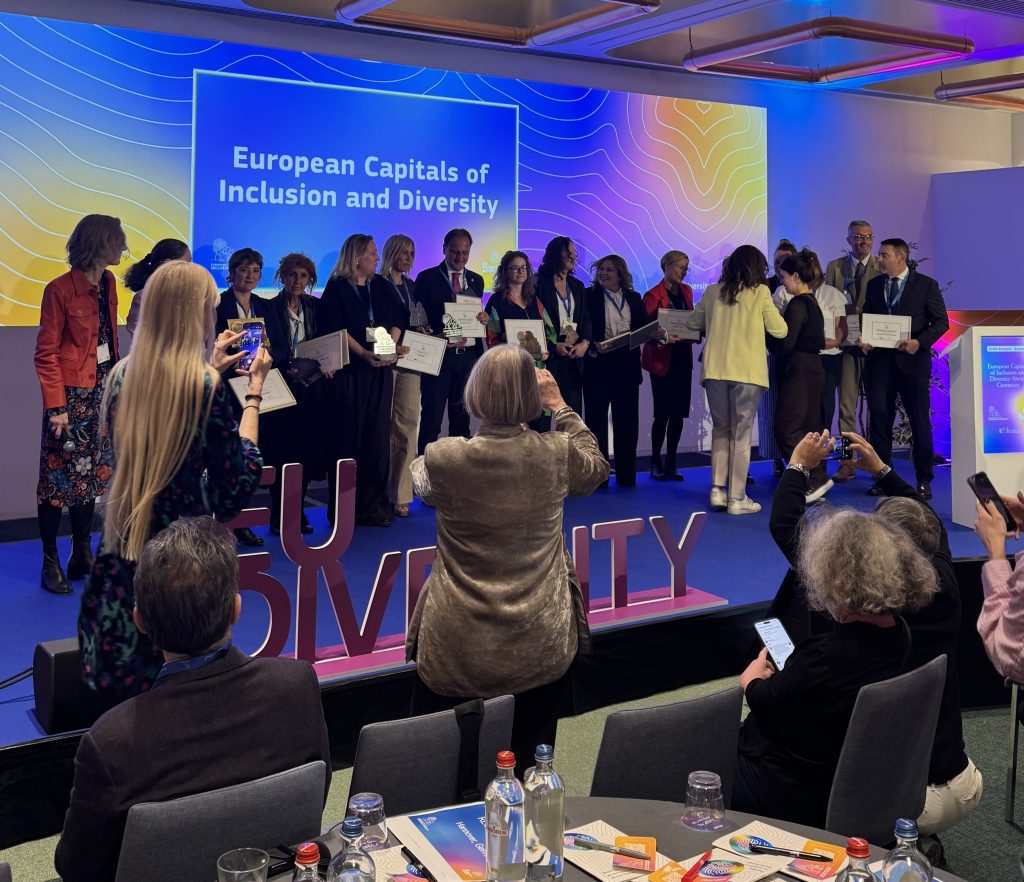
A highlight of the event was the European Capitals of Inclusion and Diversity Awards, which showcased innovative and strategic initiatives from cities across Europe. Particularly notable was the distinction of the Municipality of Piraeus, which was shortlisted among the top six cities for its actions supporting vulnerable and marginalized groups. This achievement confirms that impactful social practices can be developed at the local level.
During the sessions, participants had the opportunity to engage in targeted workshops covering topics such as redefining DEI (Diversity, Equity & Inclusion), the relationship between artificial intelligence and diversity in the workplace, and the principles of inclusive leadership. Beyond knowledge and tools, however, what truly added depth to the event were the personal stories and lived experiences, reminding us that inclusion is fundamentally about people.
The meeting concluded with a particularly reflective discussion on building trust among diverse communities—a process that requires consistency, transparency, and genuine commitment. Equality is not built through impersonal policies, but through relationships grounded in respect, safety, and trust.
The contribution of the European Commission was instrumental to the success of the event, reaffirming its continued support for the work of Diversity Charters.
Our meetings and exchanges with representatives from across Europe strengthened the sense of a shared purpose. Returning to Greece, we carry renewed energy and a strong commitment: to continue supporting our member organizations and to further promote the creation of fairer and more inclusive working environments.
The experiences, knowledge, and connections formed are not merely a source of inspiration—they are a driving force for meaningful and lasting change.